


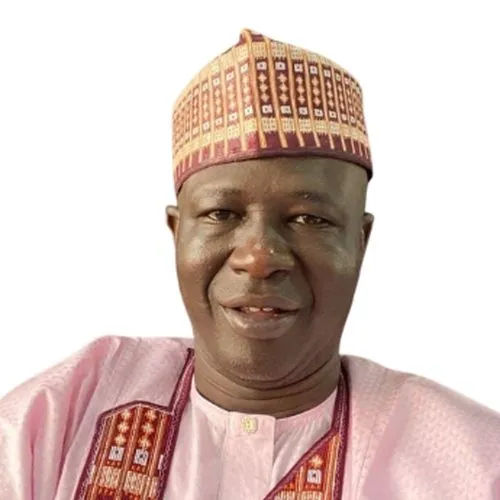
Ismaila Haliru Zarma
Secretary General
World Energy Council - Nigeria National Committee
Nigeria
Mr. Ismaila Haliru Zarma holds PhD in Energy Resources Engineering and master’s degree in Energy Studies, worked with Energy Commission of Nigeria for more than 20 years and currently the Secretary General, World Energy Council, Nigeria National Commitee. A seasoned energy expert with over 20 years of experience in energy policy formulation, planning, renewable energy development, and technology. Extensive expertise in international development cooperation, donor-funded projects, and sustainable energy initiatives. Proven leadership in professi...
Participates in
TECHNICAL PROGRAMME | Primary Energy Supply
Energy Supply and Demand Outlook: Navigating the Future
Forum 01 | Hall 5 Digital Poster Plaza 1
27
April
15:30
17:30
UTC+3
Nigeria, Africa’s largest crude oil producer with reserves exceeding 37 billion barrels, has historically depended on petroleum revenues to drive economic growth. However, the twin pressures of global decarbonization and domestic energy security challenges have intensified the call for an energy transformation that balances petroleum with renewables. This paper presents a structured pathway for Nigeria’s transition in line with the World Petroleum Congress theme “Shaping the Future Global Energy.” The analysis examines three dimensions of the transition: (i) optimizing petroleum resources through cleaner technologies and gas as a transition fuel, (ii) scaling renewable energy deployment—particularly solar, hydro, and wind—into the national energy mix, and (iii) strengthening institutional, policy, and financing mechanisms. Drawing from Nigeria’s Energy Transition Plan (ETP) and global best practices, the paper argues for a dual-value strategy: maximizing the economic benefits of hydrocarbons while accelerating the shift to renewables. It concludes with recommendations on policy innovation, investment mobilization, and regional cooperation to ensure Nigeria’s transformation contributes meaningfully to global climate goals and secures a just, inclusive, and resilient energy future. Keywords: Energy Transition, Renewable Energy, Petroleum Optimization, Energy Policy, Nigeria