


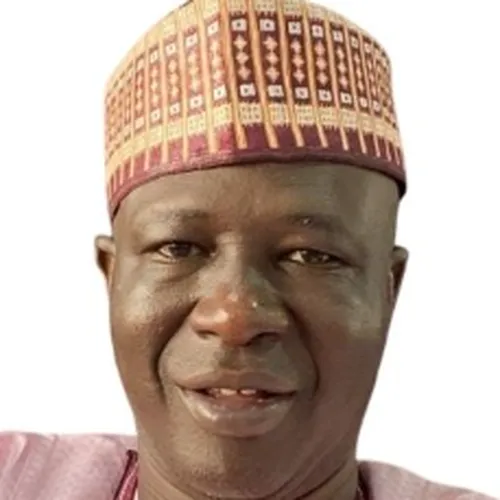
Ismaila Haliru Zarma
WEC Nigeria Secretary General
WORLD ENERGY COUNCIL
Nigeria
Engr. Ismaila Haliru Zarma, PhD, is a Nigerian energy expert, mechanical engineer, policy strategist, and international development professional with over 25 years of experience across research, public service, academia, and international cooperation. He holds BEng in Mechanical Engineering, MSc in Energy Studies, and PhD in Energy Resources Engineering. He is a COREN-registered engineer and fellow/member of several professional bodies in engineering, energy, administration, and sustainability. His academic journey includes doctoral research at Egypt–Japan University of Science and Technology with research exchange at Tokyo Institute of Technology, Japan, focusing on renewable energy systems, energy efficiency, thermal energy storage, and energy modeling. He worked extensively with the Energy Commission of Nigeria (ECN), rising from Scientific Officer to Deputy Director, contributing to national energy policy, renewable energy and efficiency policies, energy planning, and demand–supply forecasting.Internationally, he has collaborated with JICA, World Energy Council, AFREC, UNDP, UNIDO, IAEA, ECOWAS, and the World Bank. He currently serves as Programme Coordinator at JICA Nigeria Office, overseeing power, private sector development, Urban Development, Logistics and infrastructure portfolios. He is Secretary General of the Nigerian National Committee, World Energy Council, Secretary General Solar Energy Society of Nigeria, Executive Director/CEO of World Energy Academy–Nigeria, and Director of Studies at the Regional Centre of Excellence for Sustainable Energy for Sub-Saharan Africa. A part-time lecturer at the University of Nigeria Nsukka teaching energy policy courses.
Participates in
TECHNICAL PROGRAMME | Primary Energy Supply