


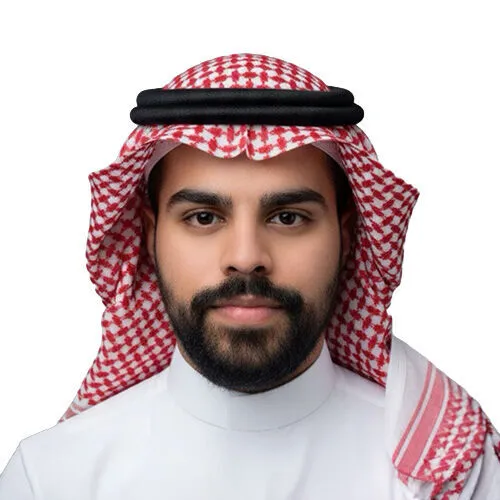
Abdulelah Alqahtani
Researcher | Sustainability & Energy Systems
Deakin University
Australia
I hold a Bachelor’s degree in Medical Science and am completing a second Bachelor’s in Business (Sustainability and Development) at Deakin University, Australia. My academic background combines scientific expertise with a focus on sustainability. I am particularly interested in energy systems, low-carbon strategies, and innovative technologies that support national and global climate goals. I aim to help advance initiatives aligned with Saudi Arabia’s Vision 2030 and Net Zero 2060 pledge.
Participates in
TECHNICAL PROGRAMME | Primary Energy Supply
Energy Supply and Demand Outlook: Navigating the Future
Forum 01 | Hall 5 Digital Poster Plaza 1
27
April
15:30
17:30
UTC+3
Amid the accelerating global energy transition, hydrocarbon-based economies must maintain reliable baseload power and achieve rapid decarbonization. This study introduces a hybrid energy model that integrates Small Modular Reactors (SMRs), solar, and wind resources, coordinated by artificial intelligence (AI)-enabled smart grids. This approach is proposed as a strategic pathway to support Saudi Arabia’s Net Zero 2060 objectives.
In contrast to studies that focus exclusively on either nuclear or renewable strategies, this paper conceptualizes dual-use SMRs that provide both electricity and thermal energy. The thermal output is utilized for desalination, hydrogen production, and agricultural processes. Locating SMRs in regions such as Asir and Jazan enables the use of nuclear heat to support water-intensive crops, enhance food security, and decrease dependence on fossil-fueled desalination.
This study conducts a techno-economic analysis and evaluates Scope 1, 2, and 3 emissions by comparing hybrid SMR–renewable grids with conventional gas-dependent systems. The findings demonstrate that integrating SMRs with AI-driven demand forecasting and Internet of Things (IoT)-enabled energy distribution significantly improves cost-competitiveness and reduces emissions, resulting in a resilient and adaptive energy network.
In addition to technical modeling, this paper outlines a Hybrid Energy Policy Roadmap.
The Fast-Track Phase involves expanding natural gas and renewable energy sources to achieve immediate improvements in energy supply and reductions in emissions.
The Strategic Phase focuses on deploying AI-integrated SMRs in flagship projects such as NEOM, Red Sea Development, and desalination corridors. This phase aims to establish a foundation for long-term decarbonization.
The results position Saudi Arabia as a leader in nuclear–renewable integration and as a developer of a globally scalable model for resource-rich nations balancing energy security and climate obligations. Integrating nuclear technology, renewable resources, and digital intelligence enables the Kingdom to influence the global discourse on sustainable power systems.
In contrast to studies that focus exclusively on either nuclear or renewable strategies, this paper conceptualizes dual-use SMRs that provide both electricity and thermal energy. The thermal output is utilized for desalination, hydrogen production, and agricultural processes. Locating SMRs in regions such as Asir and Jazan enables the use of nuclear heat to support water-intensive crops, enhance food security, and decrease dependence on fossil-fueled desalination.
This study conducts a techno-economic analysis and evaluates Scope 1, 2, and 3 emissions by comparing hybrid SMR–renewable grids with conventional gas-dependent systems. The findings demonstrate that integrating SMRs with AI-driven demand forecasting and Internet of Things (IoT)-enabled energy distribution significantly improves cost-competitiveness and reduces emissions, resulting in a resilient and adaptive energy network.
In addition to technical modeling, this paper outlines a Hybrid Energy Policy Roadmap.
The Fast-Track Phase involves expanding natural gas and renewable energy sources to achieve immediate improvements in energy supply and reductions in emissions.
The Strategic Phase focuses on deploying AI-integrated SMRs in flagship projects such as NEOM, Red Sea Development, and desalination corridors. This phase aims to establish a foundation for long-term decarbonization.
The results position Saudi Arabia as a leader in nuclear–renewable integration and as a developer of a globally scalable model for resource-rich nations balancing energy security and climate obligations. Integrating nuclear technology, renewable resources, and digital intelligence enables the Kingdom to influence the global discourse on sustainable power systems.