

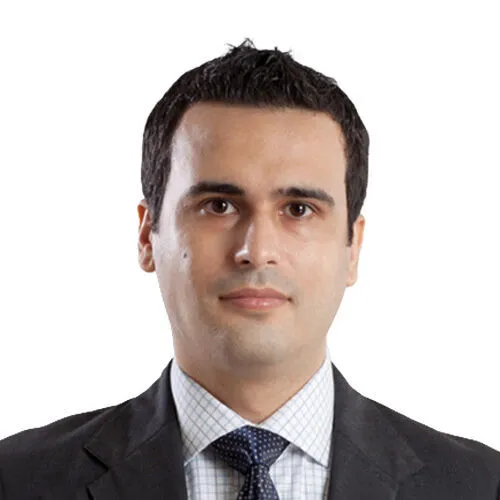
Siamak Adibi
Director, Global LNG Supply Analytics, and Head of ME Gas
FGE
Singapore
Siamak specializes in the natural gas and LNG business, leading FGE’s short- and long-term market analysis and consulting for the MENA, Europe, and Latin America regions. He has more than 20 years of extensive practical and analytical experience in the global natural gas and LNG sectors. Siamak is a specialist in energy modelling and long-term supply–demand forecasting, with deep expertise across the LNG value chain, upstream and downstream gas markets, and the commercial aspects of gas trade, including pipeline gas and LNG sales and purchase agreements.
At FGE, he has led numerous techno-commercial studies on LNG and gas monetization solutions for international oil and gas clients. Mr. Adibi is widely recognized as an expert on the MENA gas and LNG sector, frequently leading conference sessions, delivering training programs, and contributing to industry literature. He holds an MBA from Victoria University, Australia.
Participates in
TECHNICAL PROGRAMME | Primary Energy Supply
This paper presents case studies of leading NOCs in the UAE, Qatar, and Saudi Arabia, examining how they are expanding their global portfolios and pursuing integrated upstream and downstream strategies. Their evolution is compared with that of international energy companies (IOCs) to highlight key differences and similarities.
As these transformations progress, NOCs are becoming increasingly influential in developing new gas/LNG projects worldwide, expanding global LNG trade, and reshaping market dynamics.
The paper also draws lessons from global energy players, offering a strategic perspective on how Middle Eastern NOCs are positioning themselves for successful business expansion in gas/LNG markets and how this expansion will help them for trade optimization.
Finally, it assesses their dominance in LNG markets, their overseas investments, and the implications of their growing role in LNG trade, vs. trading houses, and legacy sellers in an evolving global gas and LNG landscape.