


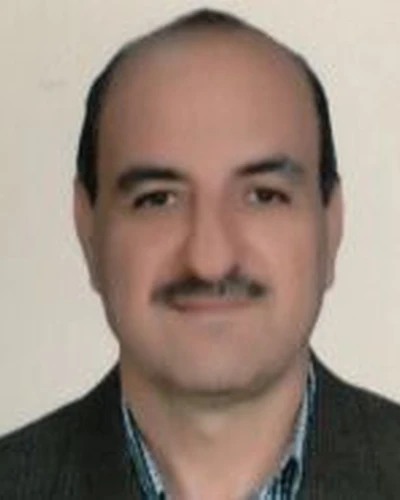
Mohammad Reza Rahimpour (duplicate)
Professor of Chemical Engineering
Department of Chemical Engineering, Shiraz University, Shiraz, Iran
Prof. Mohammad Reza Rahimpour is a prominent professor and researcher in chemical engineering, specializing in hydrogen production, carbon capture, and catalytic fuel processing. He has authored over 500 publications and served as editor-in-chief and editor of key reference books with Elsevier, CRC Press, and Wiley. His work on biofuels, carbon capture, and catalytic processes supports global efforts toward energy transition and sustainability.
Participates in
TECHNICAL PROGRAMME | Primary Energy Supply
The Role of Biofuels as a Feedstock
Forum 06 | Digital Poster Plaza 1
30
April
12:00
14:00
UTC+3
The increasing demand for sustainable energy sources has spurred significant research into syngas conversion technologies, particularly for the production of biofuels. Syngas, a mixture of carbon monoxide (CO) and hydrogen (H2), is generated through the gasification of biomass and other organic materials and serves as a key feedstock for biofuel production. This paper explores various methods for converting syngas into valuable biofuels, including bioethanol, biomethanol, biohydrogen, and biobutanol. The Fischer-Tropsch (FT) process, utilizing metal catalysts, and syngas fermentation, employing microbial catalysts, are two prominent techniques discussed in detail. The FT process is a well-established method that converts syngas into liquid hydrocarbons, including diesel and gasoline, using catalysts like cobalt and iron. In contrast, syngas fermentation offers a biologically driven alternative, utilizing microorganisms to directly convert syngas into ethanol and other valuable by-products. The paper further examines the challenges and advantages associated with these processes, focusing on factors such as catalyst efficiency, process conditions, and the potential for scale-up. It also addresses the economic and environmental implications of syngas-derived biofuels, emphasizing the need for optimized reactor designs and improved mass transfer rates. The paper concludes with an outlook on the future of syngas conversion technologies, highlighting the potential for biofuels to play a central role in the transition towards a sustainable energy future.
Keywords: Biomethanol, Biohydrogen, Bioethanol, Fischer-Tropsch, Syngas fermentation
Co-author/s:
Fatemeh Haghighatjoo, Researcher in Chemical Engineering, Department of Chemical Engineering, Shiraz University.
Soheila Zandi Lak, Researcher in Chemical Engineering, Department of Chemical Engineering, Shiraz University.
Eng. Maryam Koohi-Saadi, Researcher in Chemical Engineering, Department of Chemical Engineering, Shiraz University.
Keywords: Biomethanol, Biohydrogen, Bioethanol, Fischer-Tropsch, Syngas fermentation
Co-author/s:
Fatemeh Haghighatjoo, Researcher in Chemical Engineering, Department of Chemical Engineering, Shiraz University.
Soheila Zandi Lak, Researcher in Chemical Engineering, Department of Chemical Engineering, Shiraz University.
Eng. Maryam Koohi-Saadi, Researcher in Chemical Engineering, Department of Chemical Engineering, Shiraz University.
