


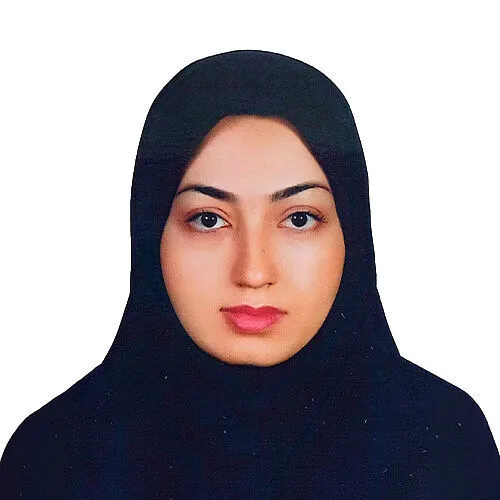
Sharareh Harirchi
Assistant Professor
Iranian Research Organization for Science and Technology
Iran
Dr. Sharareh Harirchi is an Assistant Professor at the Department of Biotechnology, Iranian Research Organization for Science and Technology. With a Ph.D. in Microbiology, her research focuses on microbial valorization of waste into value-added products. She leads projects on microbial taxonomy and biorefinery development using extremophilic microorganisms. Dr. Harirchi is actively contributes to interdisciplinary initiatives that bridge biotechnology with sustainable energy systems.
Participates in
TECHNICAL PROGRAMME | Primary Energy Supply
The Role of Biofuels as a Feedstock
Forum 06 | Hall 5 Digital Poster Plaza 1
30
April
12:00
14:00
UTC+3
The global transition toward sustainable energy demands innovative pathways that simultaneously address waste management and clean energy generation. Microbial valorization of lignocellulosic waste offers a scalable and eco-friendly solution to these challenges, advancing the circular economy while diversifying energy resources.
This work presents advancements in using thermophilic bacteria to transform agricultural residues into value-added feedstocks. In our recent studies, a thermophilic Geobacillus strain demonstrated efficient enzymatic hydrolysis of xylan, releasing approximately 4 g/L of xylose from an initial 10 g/L substrate concentration. Notably, the strain exhibited limited xylose consumption and variable acid production, resulting in xylose accumulation in the medium.
The limited metabolic use of xylose by this strain suggests a strategic advantage: enhancing bioethanol yields when integrated with xylose-fermenting yeasts, as higher free xylose availability improves fermentation efficiency. Furthermore, the thermophilic properties of the strain enable operation under harsh industrial conditions, reducing pretreatment intensity and energy requirements.
We also explored co-cultivation strategies to simulate bioethanol production environments, demonstrating improved energy yields and greater process stability. Integrating microbial biotechnology into energy systems not only boosts feedstock valorization but also significantly reduces greenhouse gas emissions, supporting decentralized, sustainable, and adaptable energy solutions. This study highlights microbial valorization as a key enabler for advancing biofuels as a versatile and sustainable feedstock in future energy systems.
Co-author/s:
Fatemeh Yazdian, Associate Professor, University of Tehran.
Zahra Etemadifar, Associate Professor, University of Isfahan.
Mohammad J. Taherzadeh, Professor, University of Boras.
This work presents advancements in using thermophilic bacteria to transform agricultural residues into value-added feedstocks. In our recent studies, a thermophilic Geobacillus strain demonstrated efficient enzymatic hydrolysis of xylan, releasing approximately 4 g/L of xylose from an initial 10 g/L substrate concentration. Notably, the strain exhibited limited xylose consumption and variable acid production, resulting in xylose accumulation in the medium.
The limited metabolic use of xylose by this strain suggests a strategic advantage: enhancing bioethanol yields when integrated with xylose-fermenting yeasts, as higher free xylose availability improves fermentation efficiency. Furthermore, the thermophilic properties of the strain enable operation under harsh industrial conditions, reducing pretreatment intensity and energy requirements.
We also explored co-cultivation strategies to simulate bioethanol production environments, demonstrating improved energy yields and greater process stability. Integrating microbial biotechnology into energy systems not only boosts feedstock valorization but also significantly reduces greenhouse gas emissions, supporting decentralized, sustainable, and adaptable energy solutions. This study highlights microbial valorization as a key enabler for advancing biofuels as a versatile and sustainable feedstock in future energy systems.
Co-author/s:
Fatemeh Yazdian, Associate Professor, University of Tehran.
Zahra Etemadifar, Associate Professor, University of Isfahan.
Mohammad J. Taherzadeh, Professor, University of Boras.