


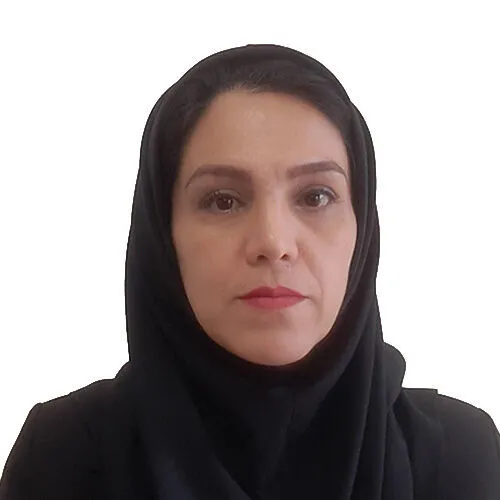
Laleh Shirazi
Assistant Professor
Research Institute of Petroleum Industry (RIPI)
Iran
Dr. Laleh Shirazi has over 24 years of experience in chemical engineering specializing in the gas conversion sector. She is currently Assistant Professor of Chemical Engineering and Project Manager at the Research Institute of Petroleum Industry (RIPI). She received her PhD in Chemical Engineering from Amir Kabir University of Technology (Tehran Poly Technique). Her research is focused on developing technical knowledge and design of refinery units, LNG, GTL, Methanol conversion and flare projects.
Participates in
TECHNICAL PROGRAMME | Energy Infrastructure
Navigating the Future: Innovations & Market Dynamics in LNG, FLNG, & CNG
Forum 07 | Hall 9 - Technical Programme 2
27
April
13:30
15:00
UTC+3
Steel industries in Iran produce over than 33 million tons of direct reduced iron (sponge iron) and more than 30 million tons of steel billets. Due to the gas interruption/limitation in winter, the production of sponge iron and consequently steel is unstable in this period and caused loss of profit. LNG peak shaving plants are one of the ways that used in many countries around the world to deal with this problem to balance the fluctuation in natural gas supply and demand during summer and winter months. In other words, the shortage of natural gas supply in winter is compensated by storing gas in the liquid form (LNG) in the summer, therefore, company will be able to continue its production in this duration and avoid the financial losses. The main process units of the LNG peak shaving plant are gas sweetening, dehydration, mercury removal, heavy hydrocarbon removal, liquefaction, nitrogen removal and regasification. In this case study, an Iron & Steel Co. in Iran intends to construct the LNG plant with the aim of peak shaving in the winter season. Based on the required feed gas flow rate (3,000,000 Nm3/day), duration of gas interruption/limitation in winter (90 days) and the possible duration for the LNG production equal to 8 months, the capacity of the LNG peak shaving plant and LNG storage volume was calculated as 300 tons per day and 180,000 m3 (4 tank*45,000 m3), respectively. The natural gas as the feedstock of the LNG plant is supplied by Iran Gas Trunk-line (IGAT). The activity including study of existing infrastructure in company and simulation of the plant was done and the facilities, required utilities and sizing of equipment was estimated. The capital cost was estimated based on the main equipment of process units. The total estimated EPC cost was equal to 180,000,000 U$. The operation cost includes feed cost, utilities, chemicals, labor costs, maintenance & repair cost, etc. was calculated. Considering the loss of profit, the economic parameters including Internal Rate of Return (IRR), Net Present Value (NPV) and payback items was calculated. Due to the percentage of feed gas supply to the company from the gas network, the LNG plant is able to supply gas as a feed to the company for 30-85 days and IRR is in the range of 17-45%, which indicates the high importance of constructing the LNG plant and its profitability for the company. At last, the sensitivity analysis was done in CAPEX (±30%), OPEX (±30%) and loss of profit (±30%).
Co-author/s:
Jafar Sadeghzadeh Ahari, Head of Engineering Group of Gas Division,Research Institute of Petroleum Industry (RIPI).
Mehran Sarmad, Project Manager, Research Institute of Petroleum Industry (RIPI).
Co-author/s:
Jafar Sadeghzadeh Ahari, Head of Engineering Group of Gas Division,Research Institute of Petroleum Industry (RIPI).
Mehran Sarmad, Project Manager, Research Institute of Petroleum Industry (RIPI).