


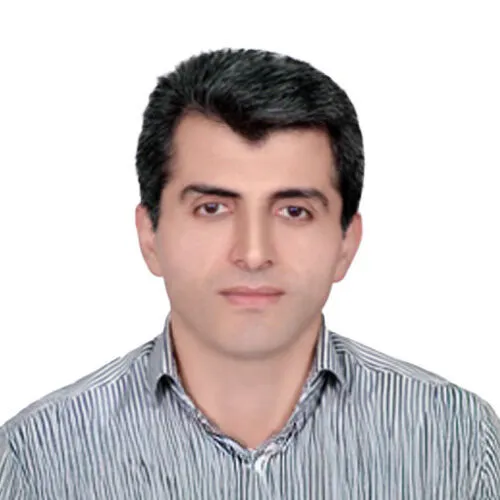
Nader Bahramifar
Professor
Tarbiat Modares University
Iran
Dr. Nader Bahramifar is a faculty member at Tarbiat Modares University, one of Iran’s leading research institutions, where he teaches and conducts research in the broader fields of environmental sciences, analytical chemistry, and sustainability-related studies. Over the course of his academic career, he has developed a deep interest in the intersection of environmental quality, resource management, and energy systems, focusing especially on how analytical and monitoring approaches can support cleaner and more efficient energy technologies.
Dr. Bahramifar’s academic work spans a variety of topics related to environmental assessment, pollution monitoring, and advanced analytical techniques. His experience includes the study of contaminants in natural and engineered systems, evaluation of human and ecological exposure pathways, and the use of laboratory-based instrumental analysis to characterize chemical processes relevant to energy production, conversion, and consumption. Drawing from this expertise, he has increasingly contributed to discussions on sustainable energy, environmental impacts of energy systems, and the development of cleaner technologies.
Throughout his career, Dr. Bahramifar has been actively involved in training graduate students, supervising research projects, and teaching advanced laboratory methods. He has played a key role in strengthening analytical capabilities within his department and has contributed to the development of new educational modules that integrate environmental chemistry with energy-related challenges such as pollution control, emissions analysis, and resource optimization. His teaching emphasizes the importance of accurate measurement, evidence-based decision-making, and interdisciplinary thinking in addressing complex global issues.
Dr. Bahramifar has participated in national and international scientific events and engages in collaborative research that supports environmentally responsible development. His scholarly interests include the monitoring of pollutants associated with industrial and energy processes, assessment of environmental risk, and application of modern chemical analysis to support sustainable energy policies. He is particularly interested in how emerging analytical technologies can improve the reliability, safety, and environmental performance of energy systems.
In addition to his academic contributions, Dr. Bahramifar is committed to promoting knowledge exchange between academia, industry, and regulatory sectors. He frequently works with students, researchers, and technical professionals to highlight the critical role of environmental monitoring and analytical science in the transition toward clean, resilient, and efficient energy systems.
Participates in
TECHNICAL PROGRAMME | Energy Technologies
Co-author/s:
Mehdi Tanha Ziyarati, Head of Environmental Department, Pars Special Economic Energy Zone, National Iranian Oil Company.
Sakhavat Asadi, CEO, ars Special Economic Energy Zone, National Iranian Oil Company.
Nader Bahramifar, Department of Environmental Science, Faculty of Natural Resources and Marine Sciences, Tarbiat Modares University.
Zeinab yaghoobi, Department of Environmental Science, Faculty of Natural Resources and Marine Sciences, Tarbiat Modares University.
Hajar Abyar, Department of Environmental Sciences, Faculty of Fisheries and Environmental Sciences, Gorgan University of Agricultural Sciences and Natural Resources.
Ali Reza Oveisi, Department of Organic Chemistry, Faculty of Chemistry, Lorestan University.