

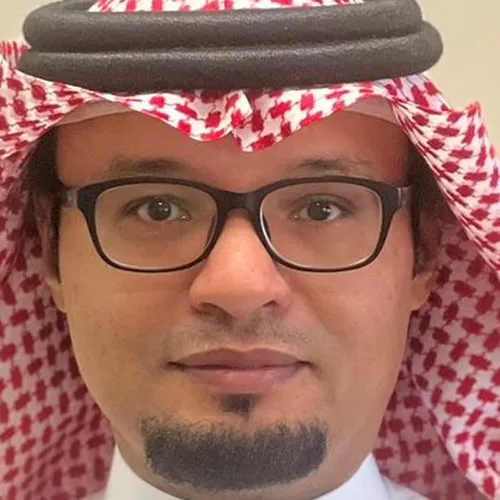
Mohammed AlHazmi
Director, Science Advisory and Partnership
SABIC
Saudi Arabia
Dr. Mohammed Al-Hazmi has a Bachelor Degree in Chemistry, MSc in Physical Chemistry from KSU, Saudi Arabia and obtained his PhD degree in Heterogeneous Catalysis from OSU, United States. Over his career spanning more than 28 years, Dr. AlHazmi has served in several leadership positions in Chemical Product lines and Corporate R&D. Mohammed has received several national and international awards for his scientific leadership. Mohammed has alsoauthored several peer reviewed articles and published more than 40 patents.
Participates in
TECHNICAL PROGRAMME | Energy Technologies
Research, Technology Start-ups and Funding
Forum 19 | Hall 5 Digital Poster Plaza 4
13
October
10:00
12:00
UTC+3
Three emerging megatrends call for the reimagination of existing refinery-petrochemical complex to remain profitable in the coming decades – 1) Transport electrification that will exert downward pressure on fuel (gasoline, diesel) margins of the traditional refineries designed to convert more than 50% of the crude to transportation fuels, 2) Plant (chemicals, plastics) electrification that will produce excess methane, and 3) Plastics circularity that will lower the demand of virgin plastics, particularly PET, and result in sub-GDP growth of aromatics (BTX) demand. To address first challenge, refineries need to reconfigure to convert a higher fraction of the crude to light olefins. Several suits of technologies exist or are in the advanced stages of deployment to convert more than 40% of crude to light olefins but all of them are very capital intensive and invariably produce large quantities of both methane and aromatics. As the world moves to reduce carbon footprint of chemicals via electrification to respond to the regulatory pressure, increasingly greater amount of methane will become available with the source of energy shifting from fuel gas to electricity. Plastics recycling will put downward pressure on demand of virgin plastics, particularly PET, which can already be recycled at a relatively low “green premium” further dampening the demand for aromatics. In contrast, demand for light olefins is likely to track GDP growth. Taken together, these megatrends open up strategic space for need to invest in the development of low capital-intensive technologies to convert crude fractions currently allocated to gasoline and diesel to light olefins at high yields (> 70 wt%) without producing large excess of methane or aromatics. In this talk we will expand upon our view of how an integrated refinery-petrochemical complex can be reimagined to address aforesaid megatrends and emerging early-stage technologies that hold the promise to convert heavier feedstocks derived from crude to light olefins at lower capital intensity. To create durable competitive advantage, we believe that the evolving product slate in an electrified world calls for both the development of new cost-effective technologies and operational efficiencies gained through implementation of AI.