


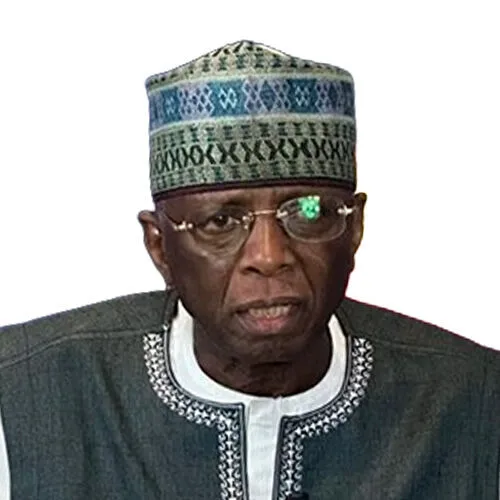
Mahaman Laouan Gaya
Consultant
Self-employed
Niger
Mr. Mahaman Laouan Gaya is a senior expert in energy policy and petroleum governance with 35+ years' experience in government, multilateral institutions, and the private sector. Former Minister, Advisor to the President of Niger, AfDB senior official, UNDP expert, and APPO Secretary General, he specializes in energy governance and finance. He is pursuing doctoral research and lectures on oil and energy economics in Niger.
Participates in
TECHNICAL PROGRAMME | Primary Energy Supply
Energy Supply and Demand Outlook: Navigating the Future
Forum 01 | Hall 9 - Technical Programme 1
27
April
13:30
15:00
UTC+3
As the global energy transition accelerates toward carbon neutrality, African oil-producing countries face a dual challenge: maintaining economic and energy sovereignty while adapting to the demands of a rapidly decarbonizing global energy order. This paradox raises critical questions about the development paths of resource-dependent states in Africa.
This paper presents a systemic analysis of the role of African oil in the context of shifting geopolitical, economic, and environmental dynamics. Drawing from the cases of Nigeria, Angola, Algeria, Niger, and Ghana, and using key indicators such as investment flows, national oil company strategies, and fiscal regimes, it explores viable pathways to reconcile resource sovereignty, economic resilience, and a just energy transition.
Three strategic axes are proposed:
This paper also highlights opportunities to leverage Africa’s energy potential in the global energy transition - not only as a supplier of hydrocarbons, but also as a driver of solutions for energy access, green industrialization, and regional integration.
In conclusion, the paper advocates for a contextualized and sovereign African energy transition, one that acknowledges geopolitical realities, responsibly manages extractive resources, and builds institutional capacity. It calls for a renewed energy pact between Africa and the global community, based on justice, shared responsibility, and strategic diversification - ensuring that Africa is not just adapting to the new global energy order, but actively shaping it.
This paper presents a systemic analysis of the role of African oil in the context of shifting geopolitical, economic, and environmental dynamics. Drawing from the cases of Nigeria, Angola, Algeria, Niger, and Ghana, and using key indicators such as investment flows, national oil company strategies, and fiscal regimes, it explores viable pathways to reconcile resource sovereignty, economic resilience, and a just energy transition.
Three strategic axes are proposed:
- Reorienting petroleum policies: This involves improving governance, increasing local content and control over resources, and negotiating more equitable contracts with international partners.
- Promoting economic diversification: By channeling oil revenues into industrialization, infrastructure, and clean energy development, countries can reduce vulnerability to oil price volatility and foster inclusive growth.
- Strengthening African energy diplomacy: Through enhanced South-South and pan-African cooperation, African states can collectively shape global energy governance, access climate finance, harmonize regulatory standards, and amplify their voice in international forums such as OPEC+, the UNFCCC (COP), and IRENA.
This paper also highlights opportunities to leverage Africa’s energy potential in the global energy transition - not only as a supplier of hydrocarbons, but also as a driver of solutions for energy access, green industrialization, and regional integration.
In conclusion, the paper advocates for a contextualized and sovereign African energy transition, one that acknowledges geopolitical realities, responsibly manages extractive resources, and builds institutional capacity. It calls for a renewed energy pact between Africa and the global community, based on justice, shared responsibility, and strategic diversification - ensuring that Africa is not just adapting to the new global energy order, but actively shaping it.